The US-Soviet Cold War was 40 years of tension and proxy conflicts under nuclear threat. Behind superpower moves lay covert plots, leaving many unsolved riddles. Here are 10 of the most intriguing.
10. Shot Down over the Baltic
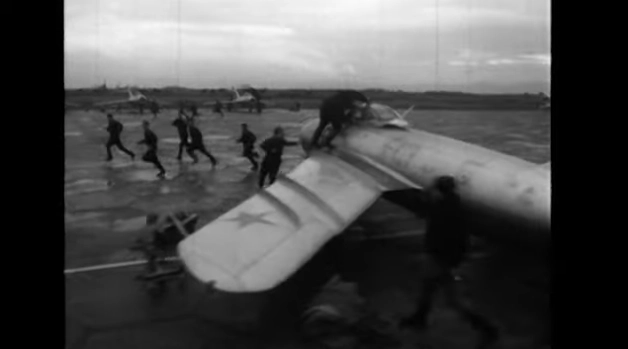
On April 8, 1950, a U.S. PB4Y-2 reconnaissance plane vanished near the Baltic. The USSR stated it shot down an intruding aircraft, while the U.S. insisted it was a routine flight. In 1975, Washington admitted the mission was to locate Soviet radar. Although the Soviets claimed no survivors from the crash near Latvia, the intact lifeboats suggested a controlled landing.
Reports emerged of U.S. aviators in the Soviet Gulag. A 1956 document cited witnesses, and a former inmate recalled an American named "Robert," possibly crew member Lt. Robert Reynolds. Despite mounting evidence, the USSR denied any survivors. The U.S. believes the crew was captured and died in captivity, leaving their fate an unresolved mystery.
9. The Stalin Note
 Historians still debate Soviet leader Joseph Stalin's 1952 note proposing a unified, neutral Germany. Was it a genuine peace offer or a tactical bluff to divide the West and buy time for Soviet expansion? The Allies, suspecting a ploy for European hegemony, ultimately rejected it.
This refusal leaves enduring "what ifs." Had they accepted, German reunification might have occurred decades earlier, potentially averting the Berlin Wall and fostering stability. Yet, a powerful, neutral Germany could also have posed new risks. The true intent behind Stalin's note remains one of history's great mysteries.
8. The Disappearance of Paul Whipkey
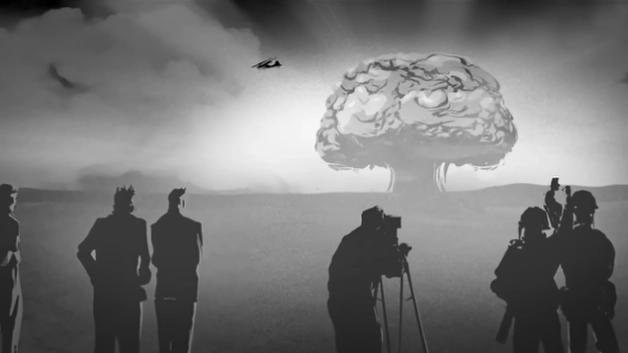 1st Lt. Paul Whipkey, a model soldier, vanished in 1958 after leaving Fort Ord for a drink. Five weeks later, his car was found in Death Valley, 400 miles away, containing his belongings. His bank account was untouched. The Army conducted a superficial investigation, declared him AWOL, and later suggested he may have died in the desert.
In 1982, the Army excused his absence as unavoidable and deemed his death in the line of duty, raising suspicions of a cover-up. His brother discovered Paul had flown atomic test missions, hinting at possible radiation exposure or covert operations. The FBI destroyed all case files in 1977, ensuring answers remain buried forever.
7. The Case of Alger Hiss
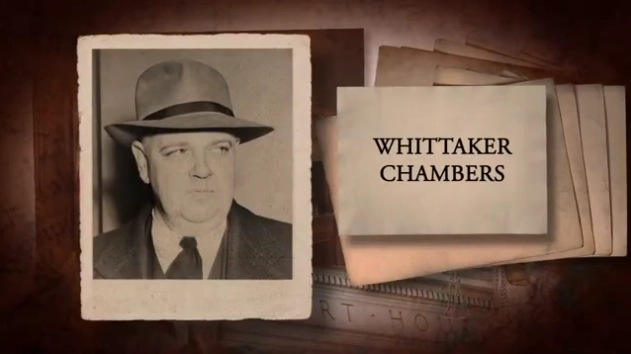 Alger Hiss, a State Department official, was convicted of perjury in a major Cold War espionage case for denying involvement with a Soviet spy ring. His conviction relied heavily on testimony from confessed courier Whittaker Chambers. Hiss served prison time but maintained his innocence until his death in 1996.
Later evidence casts doubt on his guilt. Some suggest the spy was another official, Wilder Foote, and Hiss's stepson disputed Chambers's account. While intercepted cables reference Hiss, KGB archives only briefly mention him, identifying their source as "Ales." The FBI continued investigating "Ales" even after Hiss's conviction, indicating uncertainty. With reasonable doubt persisting, the case may represent a historic miscarriage of justice.
6. Was Stalin Murdered?
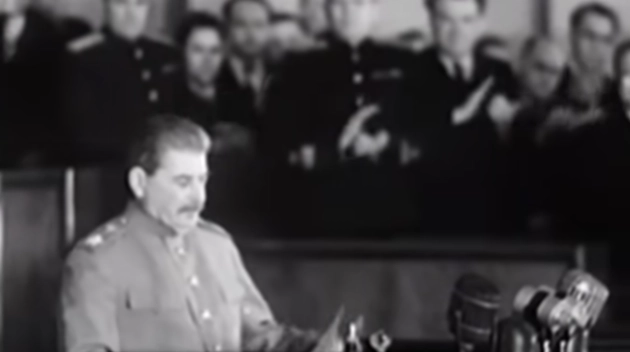 Official accounts state Joseph Stalin died of a stroke on March 5, 1953. However, strong suspicions persist that he was murdered by a member of his inner circle. Stalin's health was failing, and fearing a new wave of purges, his four closest associates—Beria, Malenkov, Bulganin, and Khrushchev—had motive to act.
Among them, Lavrenti Beria is the prime suspect. He delayed medical help, controlled the doctors and records, and purged Stalin's staff and belongings. He reportedly boasted of saving others from Stalin. Yet, without concrete evidence, his guilt remains speculative.
5. The Death of Dag Hammarskjold
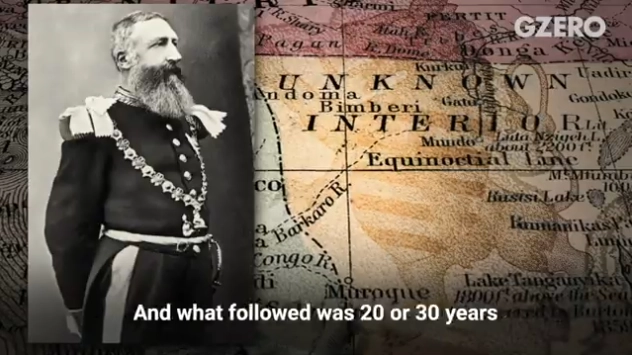 On September 17-18, 1961, UN Secretary-General Dag Hammarskjöld's plane crashed near Ndola, killing him and 15 others. He was en route to mediate peace in Congo's Katanga conflict. Initial findings cited pilot error, but eyewitnesses reported another plane firing at his aircraft. The only survivor mentioned sparks in the sky before the crash.
Many had motives to prevent Katanga's reunion with Congo, including European mining firms, the CIA, MI6, and the KGB. Conspiracy theories persist: armed men at the crash site, alleged bullet wounds, a suspected bomb, or a Belgian pilot's accidental strike. Conflicting evidence delays closure for the victims' families.
4. Was Oswald a Spy?
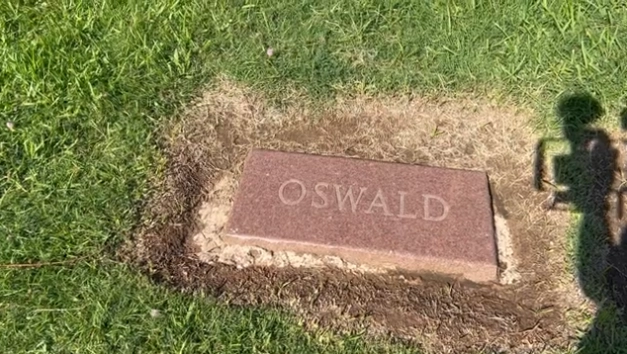 The assassination of John F. Kennedy remains shrouded in conspiracy theories, many centered on Lee Harvey Oswald’s ties to the KGB. Researcher Edward Jay Epstein presents evidence that Oswald, as a Marine in Japan, funded an inexplicably lavish lifestyle and later, while defected to the USSR, shared critical U-2 spy plane intelligence. The KGB even helped him fabricate a diary to ease his return to the U.S.
Suspicions also extend to the CIA. Before the assassination, Oswald met a KGB assassination specialist in Mexico City and was reportedly involved in a CIA operation targeting Cuban sympathizers. However, the murder itself appears opportunistic—Oswald’s job at the Texas Book Depository was secured before the motorcade route was planned. The full truth behind Oswald’s connections to both intelligence agencies may never be known.
3. Was Yuri Nosenko a KGB Plant?
 KGB defector Yuri Nosenko, who handled Oswald’s asylum request, claimed the KGB rejected Oswald as “too unstable.” His account was supported by FBI informant Fedora, yet fellow defector Anatoly Golitsyn warned Nosenko was a plant sent to discredit him. Despite five years of harsh interrogation, Nosenko never recanted and was later exonerated.
However, CIA counterintelligence chief Tennent Bagley documented numerous inconsistencies in Nosenko’s story. If Nosenko was indeed a KGB plant, his testimony may have been designed to deflect suspicion from Soviet involvement in Kennedy’s assassination, leaving critical questions about Dallas unresolved.
2. The Loss of K-129
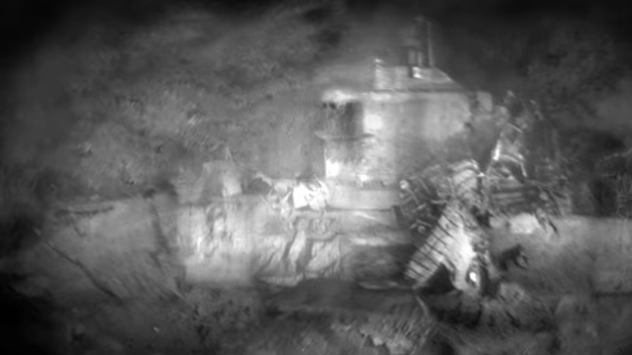 In February 1968, the Soviet nuclear submarine K-129 vanished after leaving Kamchatka. While the Soviets suspected a collision with the USS Swordfish, the U.S. denied this. American hydrophones detected an explosion near Hawaii, and the wreck was later found. In a secret operation, the U.S. recovered parts of the sub, but the cause of its sinking remained unclear. Only two of its three nuclear torpedoes were retrieved.
One alarming theory suggests K-129 was hijacked by rogue operatives to provoke a U.S.-China war, but the captain sabotaged the launch, causing an internal explosion. Though widely dismissed, this story underscores how close the world may have come to nuclear disaster during the Cold War without ever knowing it.
1. The Isdal Woman
 On November 29, 1970, hikers in Norway's Isdalen valley discovered a young woman’s severely burned body, surrounded by arranged personal items. All identifying documents were missing, earning her the name "Isdal Woman." Her true identity remains unknown.
The investigation revealed she had traveled extensively using eight fake passports, frequently changing hotels and aliases. She possessed wigs and a coded logbook. A witness placed her near a secret missile test. Despite these clues, police closed the case as a suicide in December 1970. Many believe she was a Cold War spy and that authorities hushed up the case due to its sensitive nature.